The Victoria cruziana from the Botanical Garden to the Biennale Arte 2026
On the occasion of the 61st Venice Biennale International Art Exhibition, the National Gallery of Canada, in its capacity as Official Commissioner of the Canadian Pavilion, invited the Padua Botanical Garden—at the suggestion of Royal Botanic Gardens Kew, London—to collaborate on the exhibition project representing Canada in the event’s national pavilions.
The site in Padua has been identified as the ideal location for germinating the seeds of Victoria cruziana, a specific species of water lily chosen by Iranian-born artist Abbas Akhavan for his site-specific installation Entre chien et loup, which will be on view from May to November 2026 in the Canada Pavilion.
The project, curated by Kim Nguyen, reinterprets the building’s architecture as a “Ward’s case”—a precursor to the terrarium used in the 19th century to transport plants overseas across the British Empire. Abbas Akhavan has created a meditative space where visitors can reflect on the relationships humans form with natural and architectural environments. A large tank equipped with grow lights occupies an area of the Pavilion, which for the occasion features glass panels in place of the perimeter walls, allowing the plants to be viewed from the outside and evoking the structure of the 1851 Crystal Palace built for the Great Exhibition in London, an event at which numerous specimens of the genus Victoria were presented.
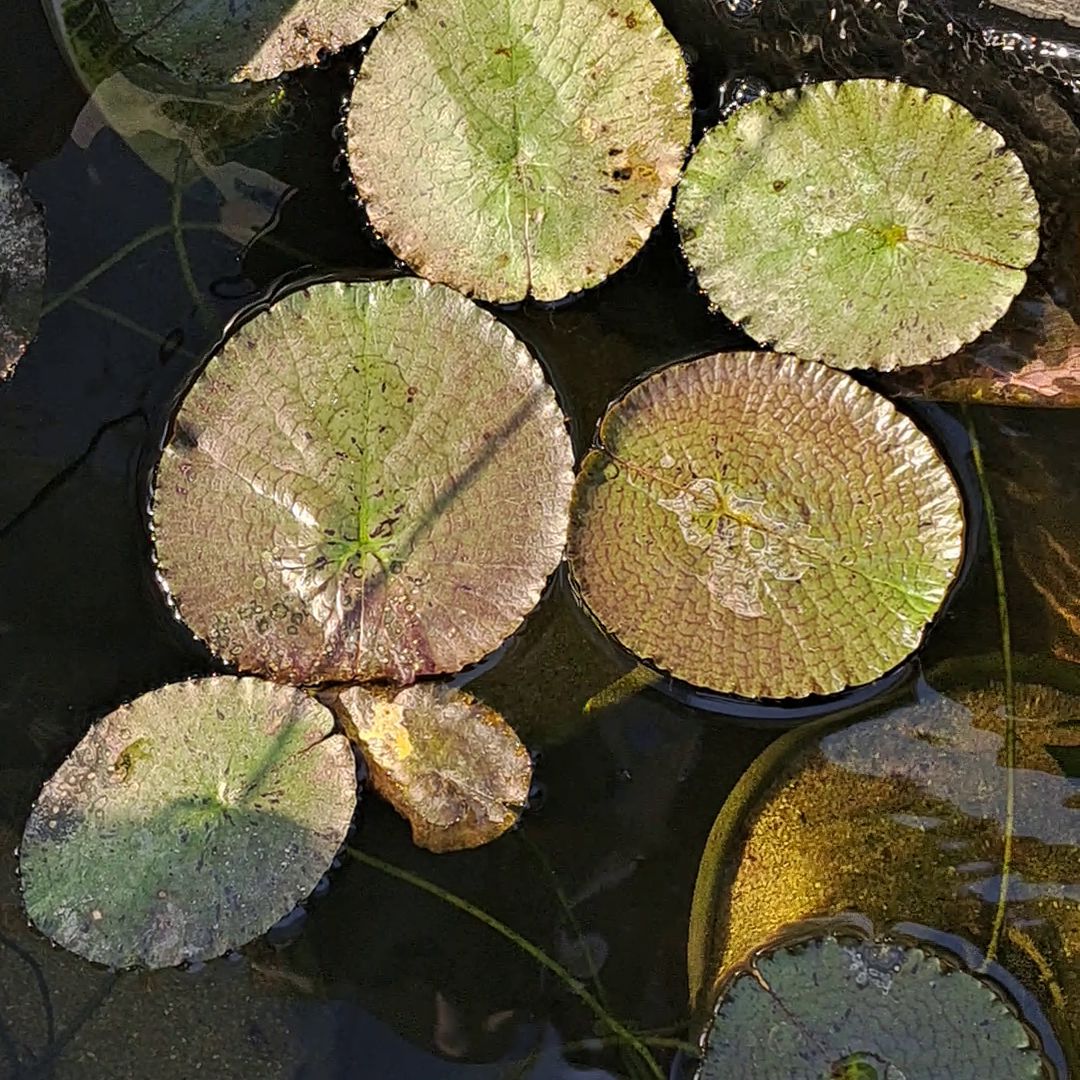
Victoria cruziana is a water lily native to South America, characterized by enormous leaves that float on the water’s surface and can reach two meters in diameter. The genus Victoria was first cultivated at Royal Botanic Gardens, Kew in London during the reign of Queen Victoria (1819–1901), in whose honor the name was coined. The specific epithet cruziana was added to honor the President of Peru and Bolivia, Andrés de Santa Cruz (1792–1865), who sponsored an expedition to Bolivia during which the first specimens of this species were collected; the species is also found in areas of Argentina and Paraguay.
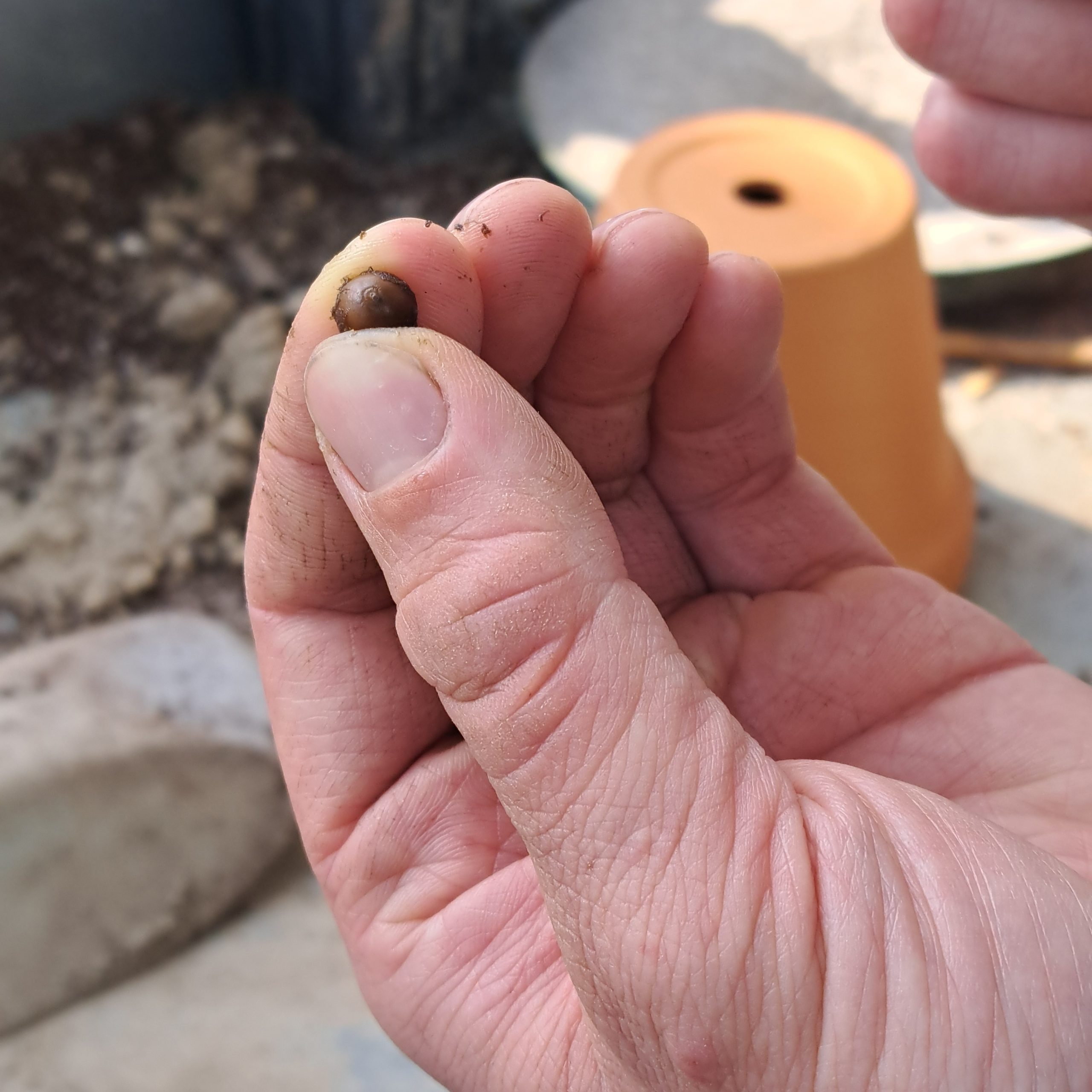
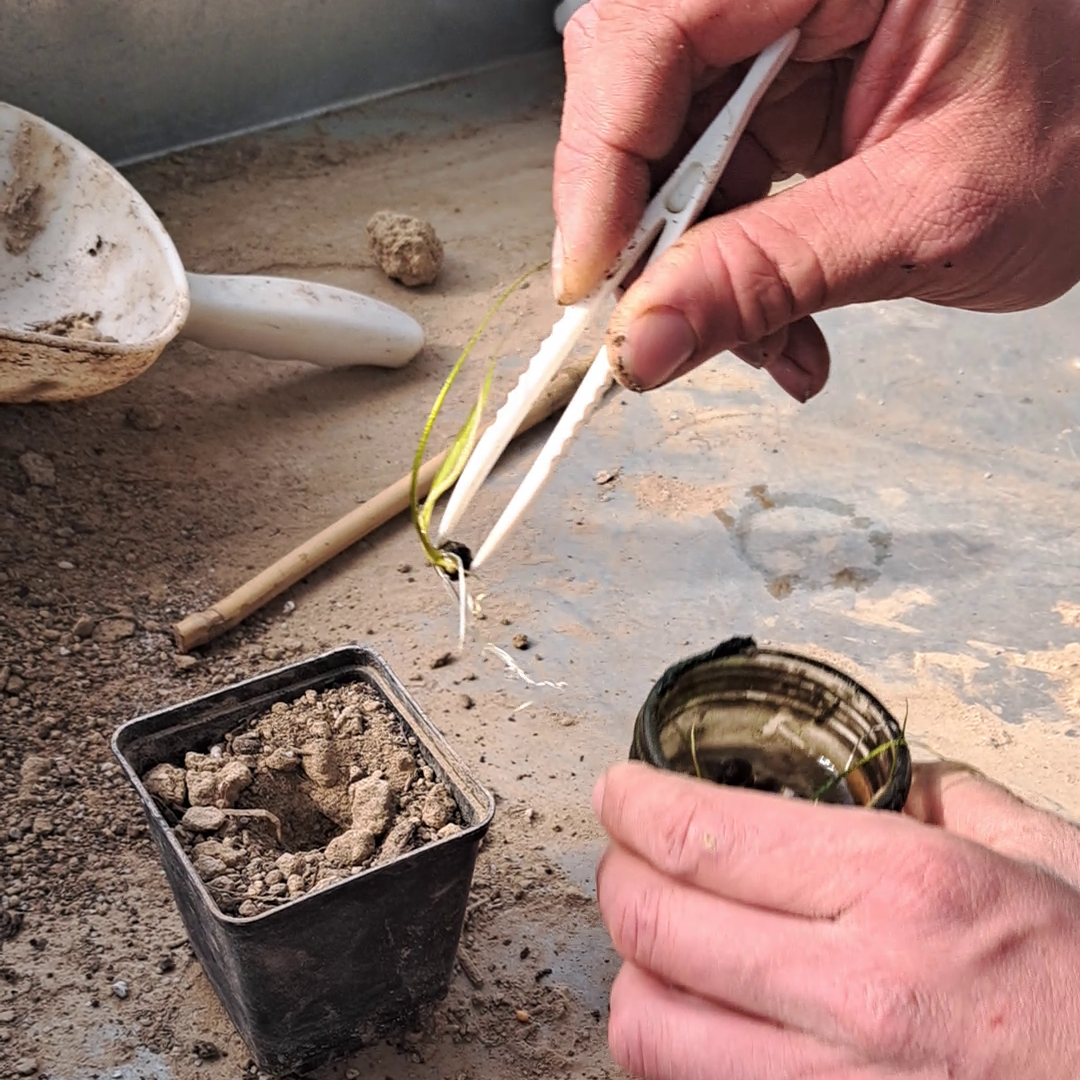
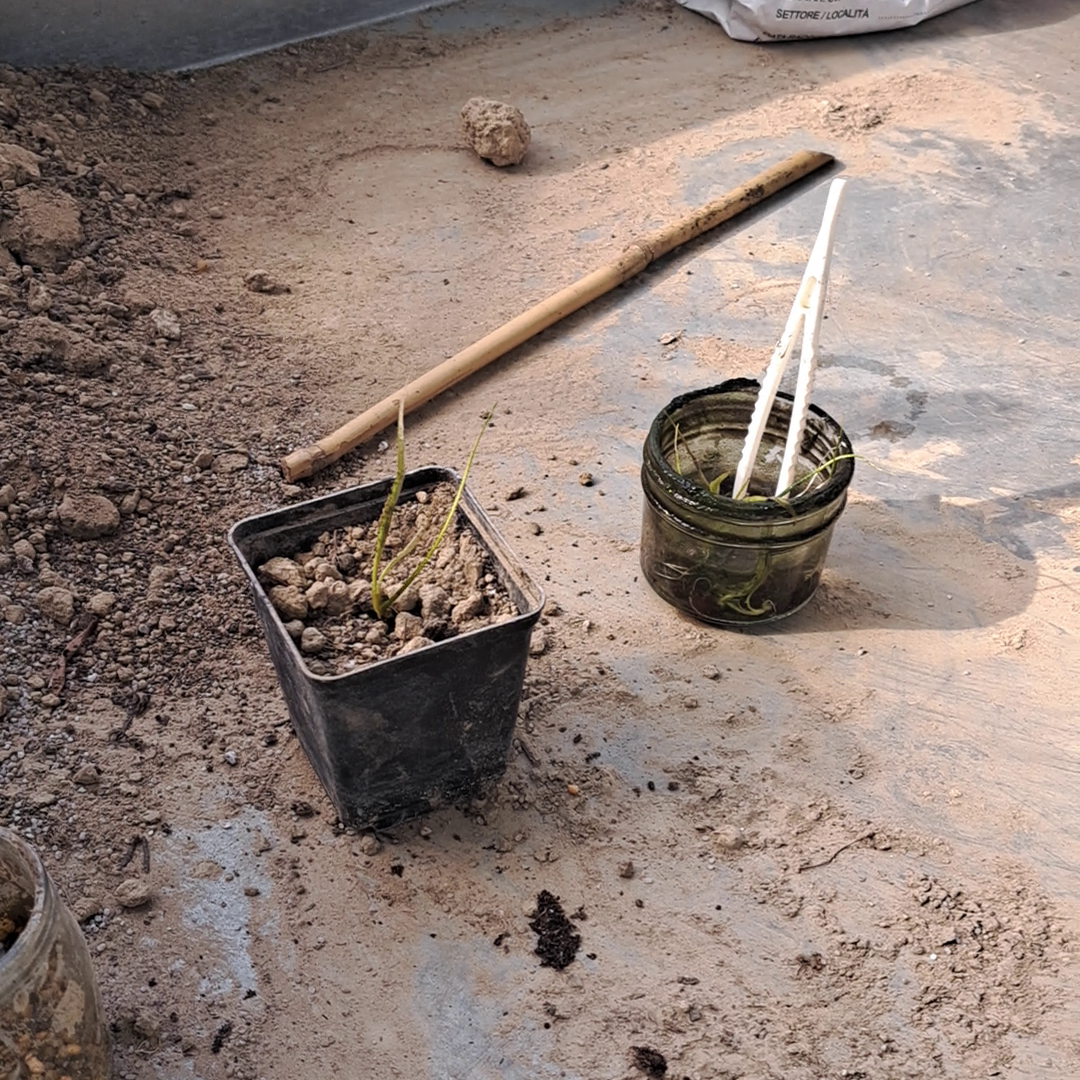
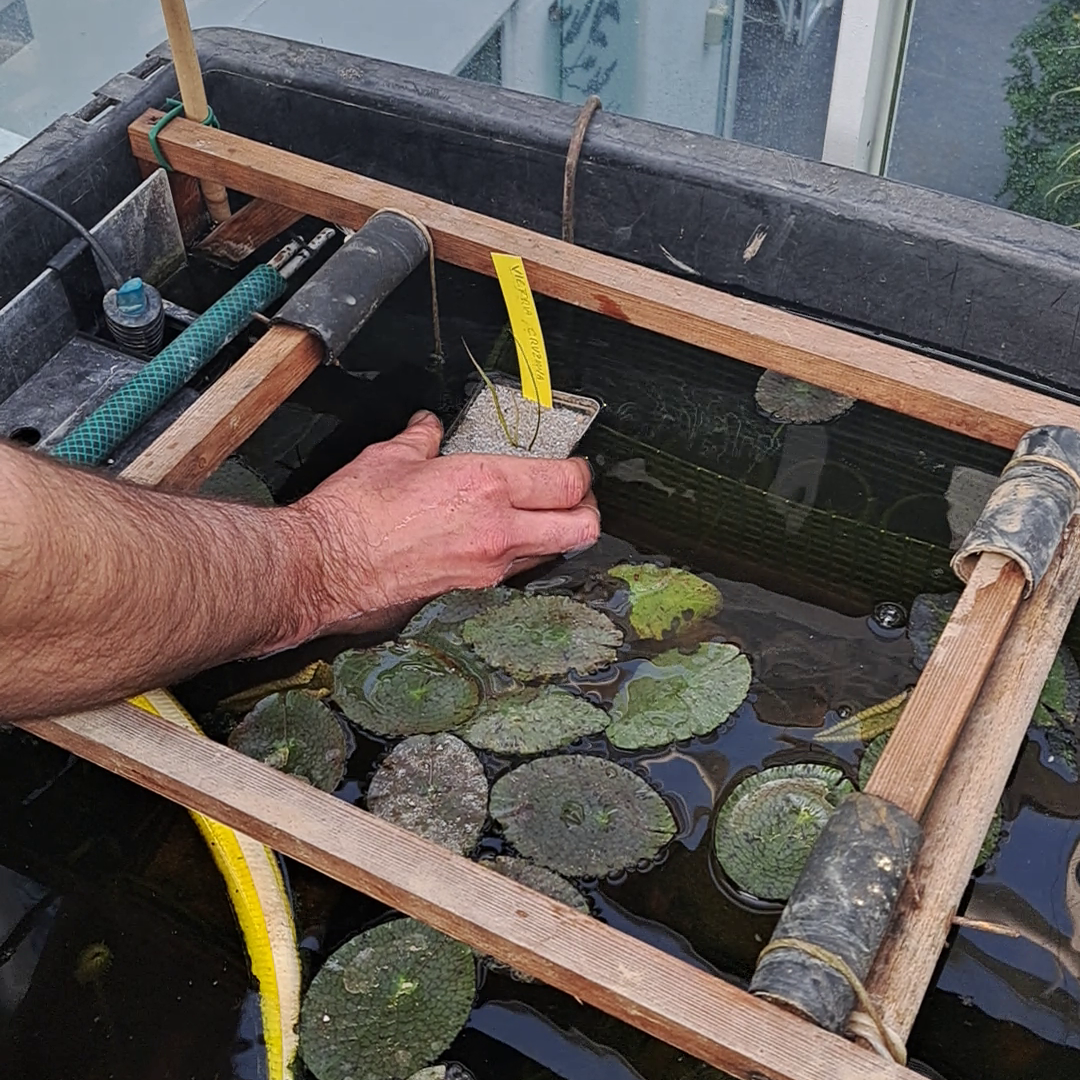
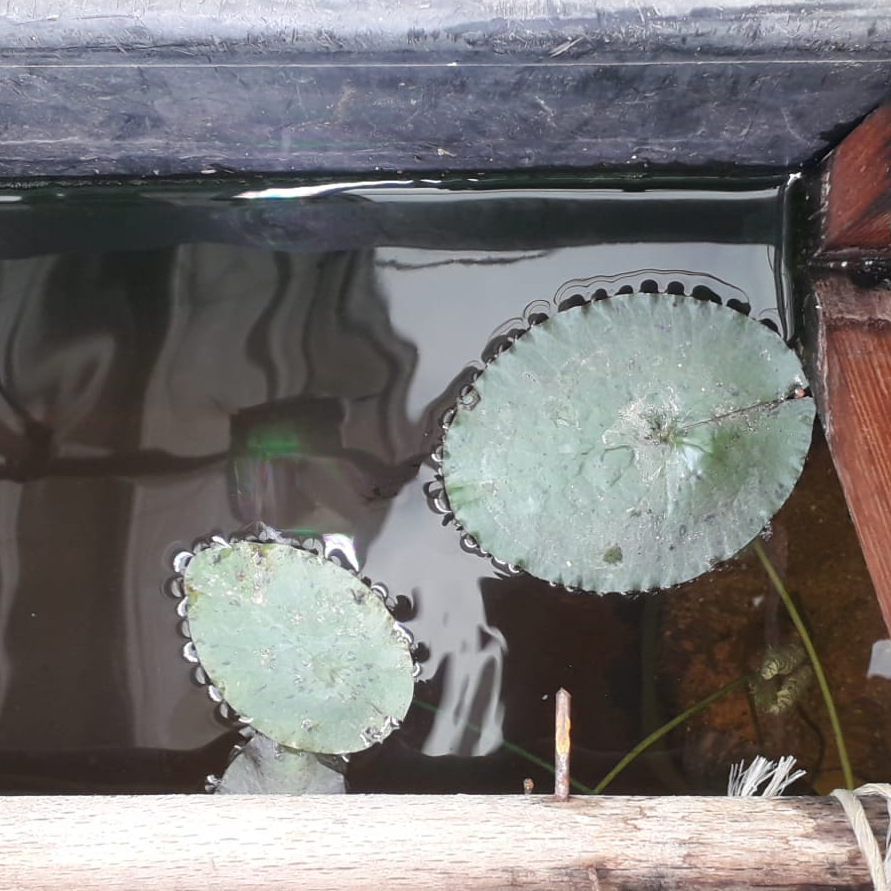
The gardeners at the Padua Botanical Garden were responsible for cultivating and caring for the plants during their early growth stages. Seeds were soaked in water and allowed to germinate before being planted in small pots filled with nutrient-rich, non-floating clay soil and placed inside water-filled tanks. From the sprouts, kept in a warm and humid environment, the lanceolate, floating leaves emerged, which within a few weeks expanded to take on their characteristic circular shape. The leaves of Victoria cruziana have a smooth, waxy surface that helps repel water, and on the underside, they feature a network of veins and numerous sharp spines that serve as a defense against herbivorous fish and manatees. The plant’s newly bloomed flowers are white and turn light pink after pollination mainly by dynastine scarab beetles (e.g. Cyclocephala), which are attracted by their scent and the heat they produce.
Once they had reached the optimal size for transport, the Victoria cruziana plants were transferred from the Padua Botanical Garden to the Canada Pavilion at the Biennale Gardens in a specially designed crate containing the pots and enough water to ensure the plants’ survival during the journey.
Under the supervision of the artist and the curator, the gardeners transplanted the plants into large pots placed inside the tank designed for the exhibition space, which features specific lighting and environmental conditions tailored to encourage the leaves to grow to their full extent.